Start with the checkpoint
Security 51 is built around a repeatable inspection problem: decide who may move through the underground facility elevator. The useful answer is not a memorized list of people. It is a consistent sequence that catches contradictions between identity, role, clearance, timing, documents, behavior, and any physical evidence available during the shift.
New officers should begin with the Beginner Guide, then keep the Checkpoint Inspection Guide open during play. Those two pages establish a scan order without pretending that one fixed answer applies to every visitor or every version of the game.
- Beginner Guide — a calm first-shift routine and printable checklist.
- Checkpoint Inspection — the complete evidence chain from identity to decision.
- Documents and Passes — numbers, roles, timing, and certificate checks.
- Clearance Levels — how access fits into a broader cross-check without an invented level table.
Escalate only when the evidence calls for it
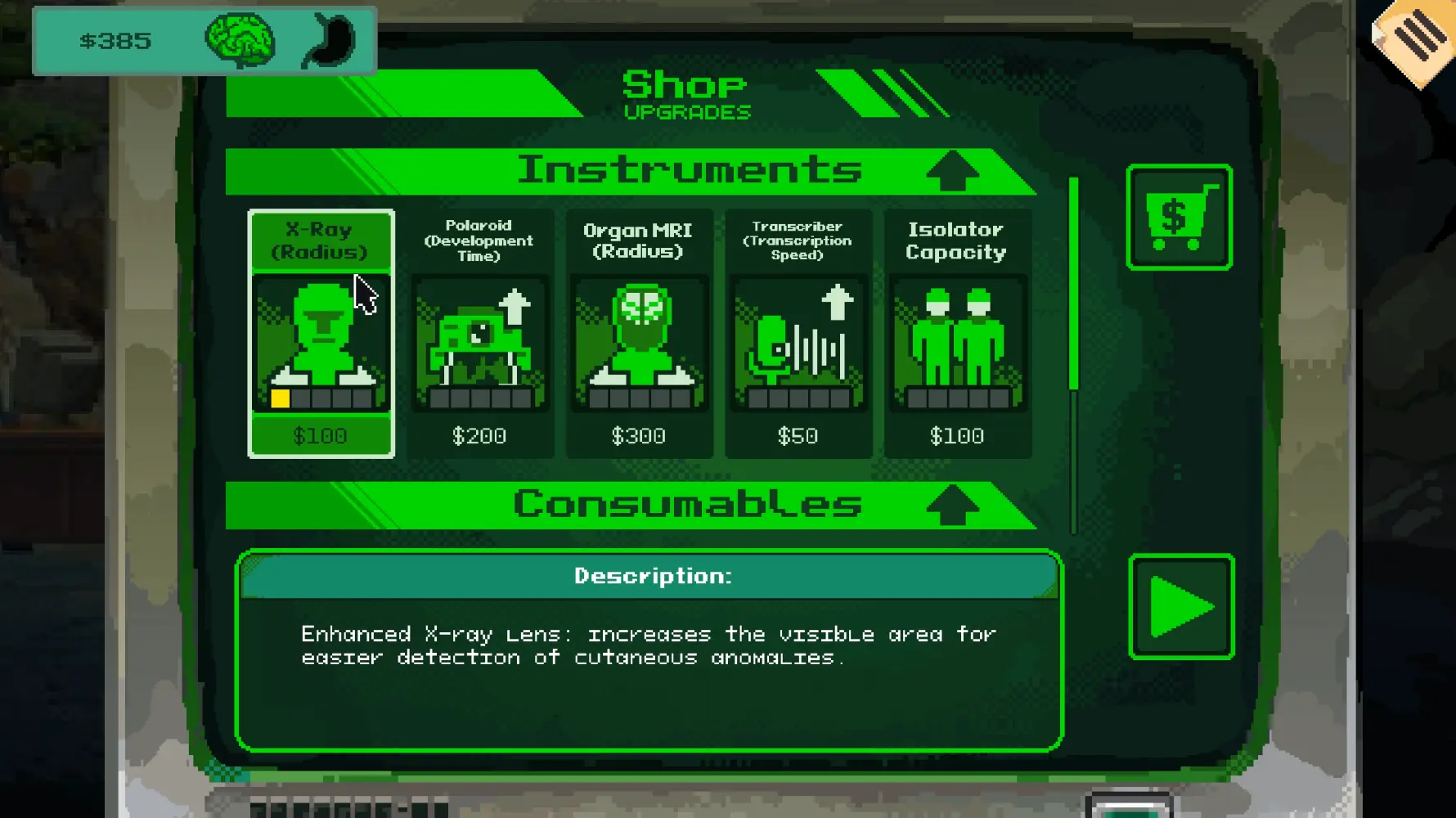
Official material confirms cameras, X-rays, internal inspection, temperature checks, fingerprints, blood testing, and visible physical signs. It does not confirm that every tool is available from the first shift or that a single result always settles the decision. The inspection guides therefore explain what each method is designed to verify and where public information still stops.
- Anomaly Detection — behavior, document, physical, identity, and contextual signals.
- X-Ray and Body Scanner — internal, temperature, and visible checks.
- Fingerprint Checks — stronger identity corroboration.
- Blood Testing — a confirmed method whose readings and thresholds remain unverified.
Contain the consequences
A checkpoint choice can reach beyond the desk. The official description confirms quarantine, mistaken isolation, delayed consequences, and infection in the city when the wrong person or entity gets through. Use the Quarantine and Infection guides to understand that strategic layer without relying on made-up meters, formulas, or optimal operation names.
Each article identifies whether its claims come from a current official page, an official announcement, or demo-era material. Full-release specifics are added only after they can be checked directly.