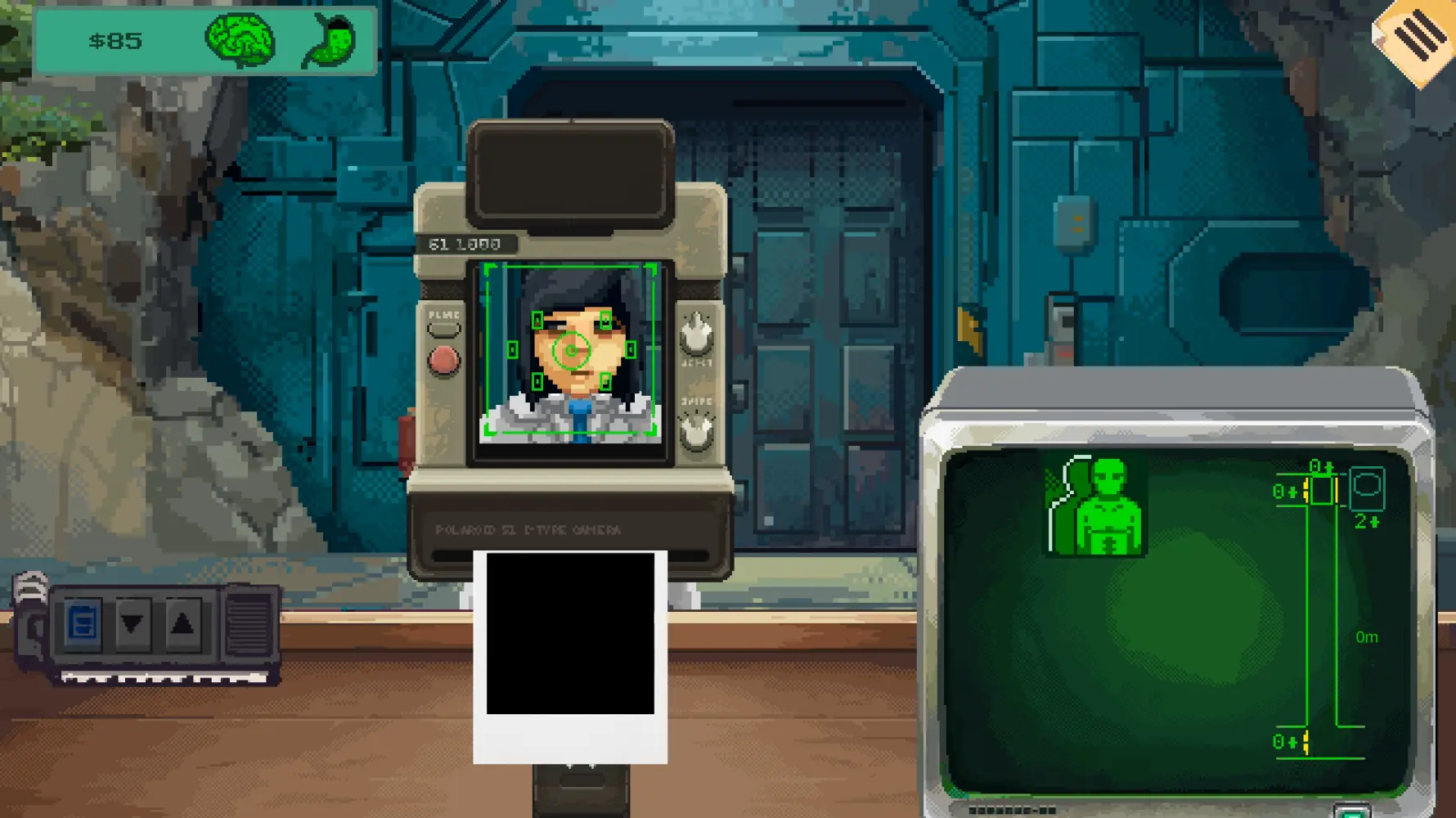
What fingerprint checks are for
At the checkpoint, identity can fail even when a pass appears valid. A photograph may be unclear, a name may be plausible, or a role may fit on paper while the person still does not belong to that record. The official description includes fingerprint verification among the methods available for stronger inspection.
A fingerprint result should be read as part of that specific identity question. It does not automatically settle clearance, timing, medical certification, or every possible physical anomaly. Keep the other checks visible and ask whether the full record is coherent.
A practical escalation sequence
This order keeps an advanced tool from becoming a substitute for basic desk work. It also makes a mismatch easier to explain: you know which earlier claim the new result supports or challenges.
- 01
Confirm the name, face or photograph, and stated position.
- 02
Cross-check clearance, timing, pass numbers, and supporting papers.
- 03
Identify the exact identity conflict that remains unresolved.
- 04
Use fingerprints if the current shift and build provide the method.
- 05
Compare the result with the record rather than judging it in isolation.
- 06
Continue to physical or sample checks only when evidence still conflicts.
What is not established yet
Official public material does not state the exact shift when fingerprint tools unlock, the complete interface flow, every possible output, or whether all full-release scenarios use the same comparison rules. Those details require direct verification after launch.
Until then, the defensible conclusion is narrow: fingerprints are a confirmed method for stronger identity checking. They should work alongside document, role, behavior, X-ray, temperature, and sample evidence rather than replacing the rest of the checkpoint protocol.